

From insight to habit: building bias management capability that lasts
Unconscious bias training has become increasingly common in customer service environments. However, understanding bias is not the same as managing it – especially when decisions matter most.
Frontline teams make rapid decisions every day: prioritising queues, responding to complaints, resolving conflict and exercising discretion. These high-pressure moments shape customer experience, brand reputation and organisational trust.
If unconscious bias influences those decisions – even subtly – the impact can be significant. So the critical question is not simply, “Do employees understand unconscious bias?”. Instead, it is:
“Can they recognise and interrupt bias in real customer service situations, under real operational pressure?”
Answering that question requires a shift from awareness-based unconscious bias training to practical bias management capability – and that demands a very different approach to learning design.
The real learning challenge
Bias rarely shows up in calm reflection. It appears in:
- Hiring panels under time pressure
- Customer interactions during peak shifts
- Performance conversations with real stakes.
In these moments, even well-intentioned professionals default to habit unless they have practised alternatives. For learning to stick, unconscious bias training must be designed around how people actually work, not how they think in a training room.
This is where many unconscious bias interventions fall short. They end with awareness and leave the hard work – applying that awareness in daily decisions – to chance.
To build lasting bias management capability, organisations need an extended learning journey that moves people from insight to action, and ultimately to habit.
The WorldHost approach: an extended learning journey
At WorldHost, our learning philosophy has always centred on practical capability. Service excellence, inclusive practice and consistent decision-making are built through rehearsal, feedback and reinforcement, not one-off discussion.
Applying that same thinking to unconscious bias means treating bias management as a professional skill.
That’s why we’ve developed Bias Interruption: From Awareness to Action – a standards-driven approach, long embedded within WorldHost service excellence programmes. The programme moves learners through three structured stages:
- Reflection
- Practice
- Reinforcement
Together, these stages move insight towards sustainable behaviour change.
Reflection: making bias personal and relevant
Rather than presenting unconscious bias as a broad social issue, reflection activities focus on real workplace and customer service scenarios, including:
- Everyday service interactions
- Decision-making under pressure
- Workplace assumptions
- Common cognitive shortcuts.
A short, focused digital learning module introduces bias concepts while encouraging learners to examine their own decision patterns.
This reflection is grounded, not abstract. It builds awareness with relevance – a crucial foundation for inclusive customer service.
When learners recognise how bias may appear in their own decisions, the learning becomes personal rather than theoretical.
Practice: developing bias interruption skills
Understanding unconscious bias is one thing. Interrupting it in real time is another.
The workshop stage of the Bias Interruption programme creates space for structured rehearsal – scenario-based practice that mirrors operational realities.
Through immersive exercises, participants:
- Apply a structured bias-interruption framework
- Practise pausing and reframing decisions
- Navigate emotionally charged service situations
- Challenge assumptions constructively.
This stage is effective because, as opposed to isolated reflection, it simulates the pressures of daily customer service decisions. That is the difference between a one-off awareness session and capability that transfers into real work.
For trainers, this provides a clear, standards-based framework for delivery. For employers, it supports more consistent and defensible decision-making across frontline teams.
Reinforcement: embedding inclusive behaviour into daily service
Research consistently shows that behaviour change requires reinforcement. Without follow-up, even well-designed unconscious bias training can quickly lose impact.
In Bias Interruption: From Awareness to Action, reinforcement includes:
- Guided workplace application activities
- Structured reflection prompts
- Follow-up exercises reviewing real decisions
- Behaviour change surveys to capture impact.
Participants are encouraged to apply the bias-interruption framework within their own roles and reflect on how it influences decision quality and customer experience.
This on-demand support for bias interruption in everyday customer interactions reflects a long-term commitment to sustained behaviour change in customer service environments – embedding inclusive practice into the rhythm of work, not simply into a single training event.
Reinforcement is not an optional add-on. It is what transforms unconscious bias training into lasting capability.
The impact of practical unconscious bias training
When unconscious bias training is designed as an extended learning journey:
- Frontline staff gain confidence in managing complex customer interactions
- Organisations improve consistency and fairness in service delivery
- Trainers deliver structured, standards-based learning
- Teams develop a shared language around inclusive decision-making.
For organisations focused on service excellence, inclusive customer experience and reputation management, this matters.
Unconscious bias training should not be a compliance exercise. It should strengthen decision quality and professional standards across customer-facing roles.
From awareness to action in customer service
Moving from awareness to action requires intentional learning design:
- Reflection builds insight
- Practice builds fluency
- Reinforcement builds habit.
Together, this extended learning journey underpins Bias Interruption: From Awareness to Action, supporting bias management as a professional capability and not just a concept.
In customer service environments, where every interaction shapes perception, that capability makes a measurable difference.
Learn more
Register your interest via the form below to receive early updates about Bias Interruption: From Awareness to Action and how it supports unconscious bias management in customer service environments.
Related News

UK Resilience Academy to Expand National Occupational Standards for Resilience and Emergencies
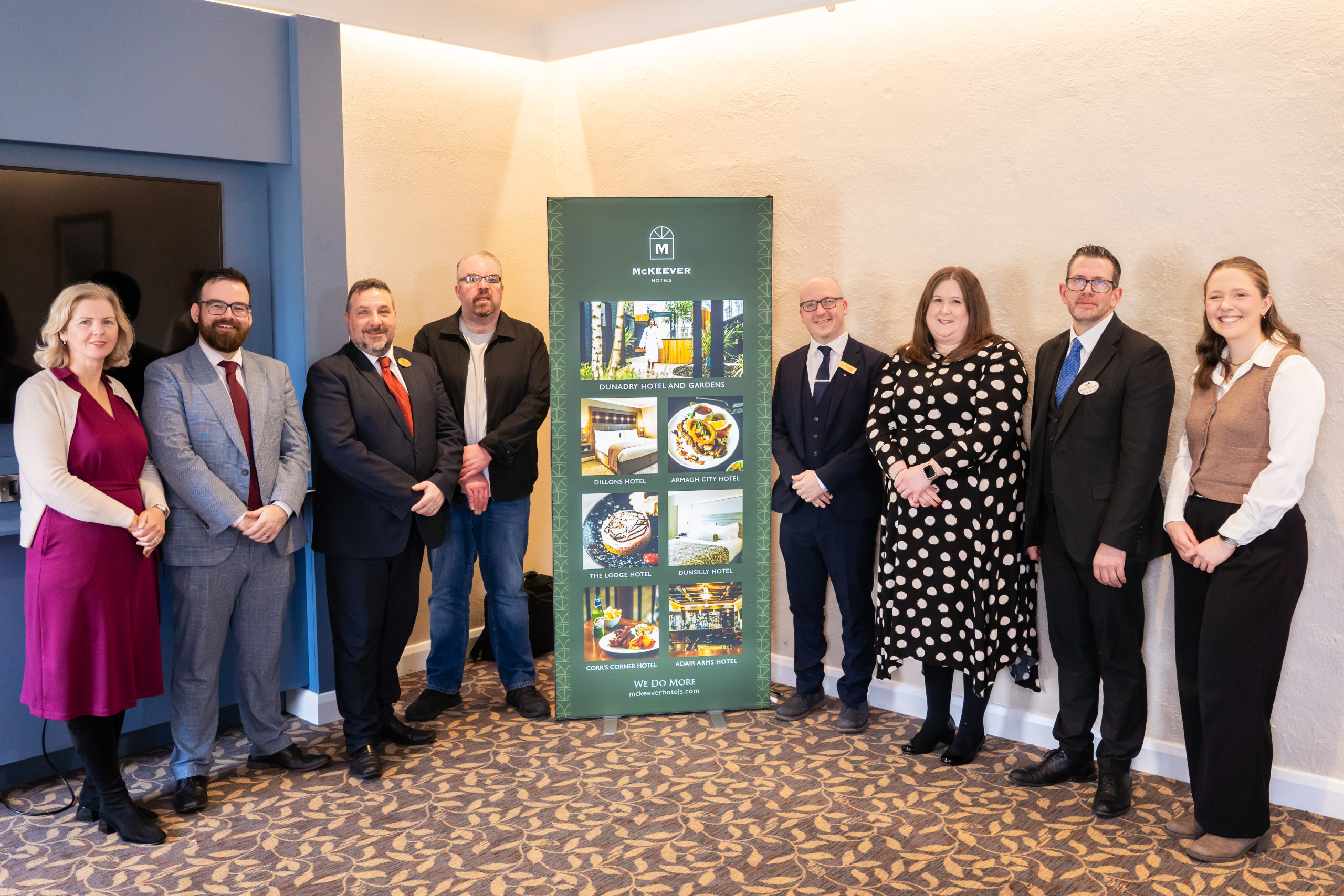
Building workforce planning capability at McKeever Hotels with Six Steps
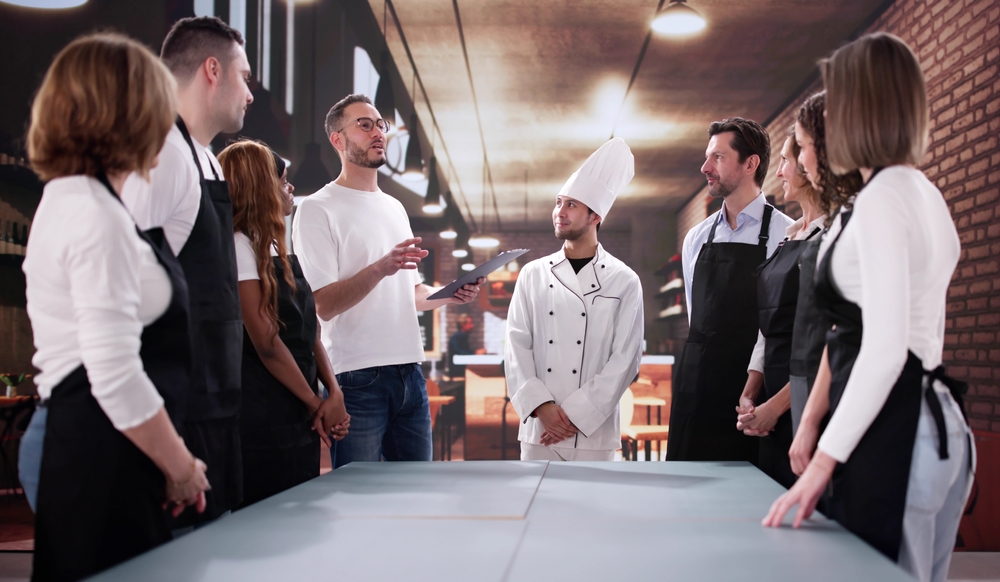
From reactive recruitment to strategic workforce planning